12/25/2025
EFFECTIVE CROSS-TRAINING WORKOUTS FOR RUNNERS
Cross-training, including yoga, pilates, cycling, and swimming, is the key to optimizing running performance. It delivers multiple physical and mental health benefits for runners, such as preventing injuries, building strength, and improving cardiovascular fitness.
Cross training is recognized by elite runners and coaches as a strategic element for building endurance, overall fitness, and muscle mass. However, many amateur runners often focus solely on running itself.
While running remains the core component, cross training provides essential and positive impacts to runners by enhancing cardiovascular stamina, musculoskeletal health, and bodily adaptation. This is particularly crucial for runners looking to tackle complex, rugged terrains and conquer challenging altitudes.
In this article, Vietnam MTB Series will delve into an analysis of this training method. We will synthesize recommendations from sports experts on the most effective supplementary disciplines and exercises, focusing on those that can optimize time and integrate scientifically into your main running schedule.

What is Cross Training?
Cross training is the practice of performing diverse activities or varied exercises to improve overall physical fitness, ultimately aiming for better performance in one's primary specialty or sport. More specifically, for trail runners, cross training is defined as any exercise other than running that helps you run stronger, more efficiently, and safer, reducing the risk of injury and boosting personal bests.
These exercises are highly varied, encompassing: stretching and mobility work, strength training, Yoga, Pilates, and low impact cardiovascular endurance boosters like cycling, swimming, and rowing.
Benefits of Cross Training
Many coaches and physical therapists with decades of experience in the field, such as Robin Arzón and Koniuto, agree that cross training positively impacts runners.
Preventing injuries
According to expert Koniuto, a common type of running injury stems from muscle groups being either overused or lacking flexibility. An effective and scientific cross training regimen, especially when incorporating low-impact exercises like cycling or rowing, successfully addresses these challenges. Specifically, these activities help maintain a runner’s cardiovascular function and fitness level even if they are at risk of or currently dealing with an injury without putting excessive pressure on the legs.
Improving cardiovascular health
Combining cross training with both cardio and resistance training is considered the optimal choice. One study showed that individuals who performed a combination of 30 minutes of aerobic exercise and 30 minutes of resistance training three days per week for eight weeks had a significantly lower risk of heart disease compared to those who only did one type. This opens a promising door, indicating that executing both types of exercise is ideal for long-term cardiovascular care.
Boosting muscle and bone strength
By challenging muscles across different ranges of motion and resistance levels, cross training helps build muscle strength, endurance, and flexibility. Crucially, any weight-bearing exercise, particularly strength training, is a key factor in boosting bone strength, which effectively prevents the risk of stress fractures commonly seen in runners.
A "medicine" for the mind
Beyond the physical benefits, cross training also provides immense mental value. Robin Arzón, Head Coach and Vice President of Fitness Programming at Peloton, shares that varying activities is a wonderful mental break. The diversity helps runners overcome feelings of boredom or plateaus in their training, stimulating the body and mind in new ways, and keeping the passion for running alive.
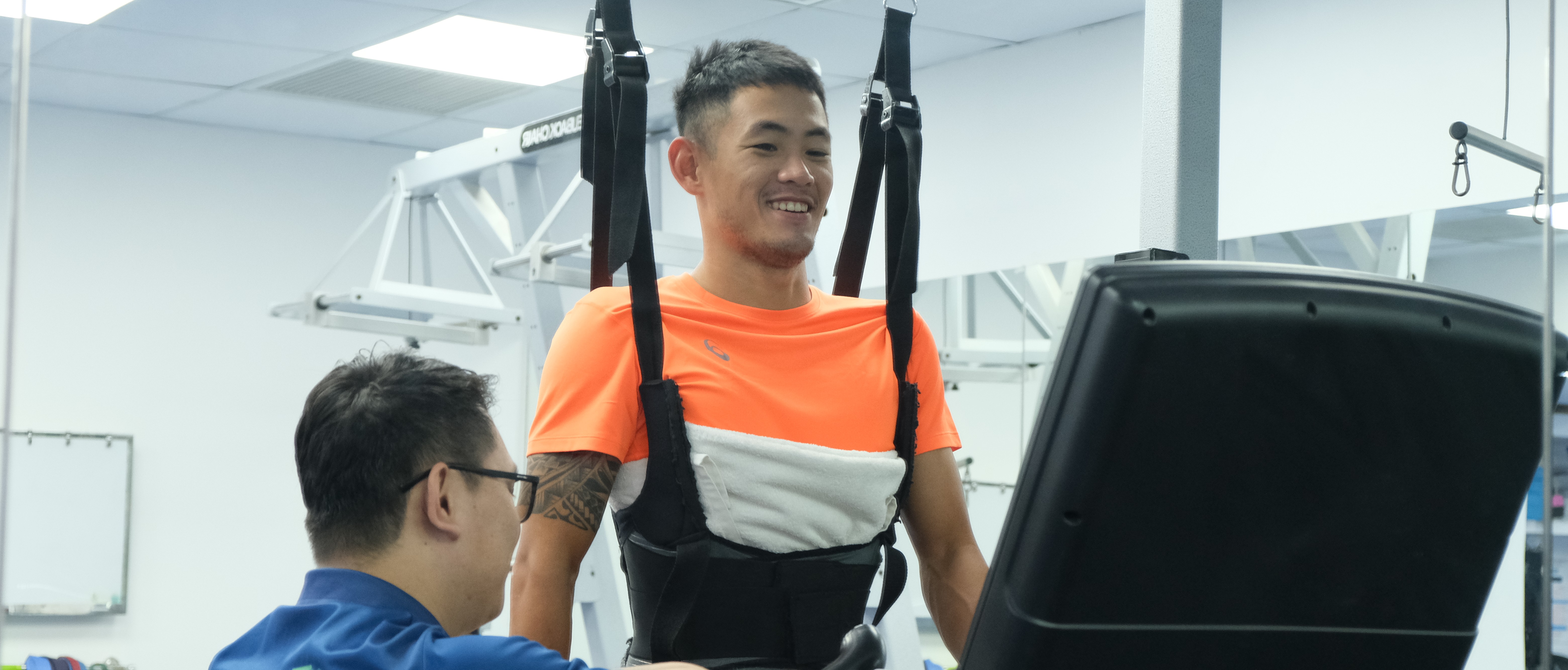
(Nguồn ảnh: Anytime Fitness)
The best cross training exercises for runners
Strength training
Strength training is highly recommended by numerous running coaches as a vital addition to any training schedule. This type of exercise positively impacts running performance by developing stronger, more toned muscles in crucial areas such as the quadriceps, calves, and glutes.
In fact, training the legs through strength work can bolster muscles and reduce the stress load during tough endurance events. This is why many notable athletes with outstanding achievements, such as Sarah Ostaszewski, Hannah Allgood, and Dylan Bowman, actively incorporate weightlifting into their training plans.
Crucially, never overlook the importance of core strength and upper body development, regardless of how far you run. When thinking about strength training, you might consider specialized exercises like the leg press machine. However, expert Koniuto encourages performing compound movements in functional postures, most notably variations of Squats, Deadlifts, and Lunges.
Also on Koniuto’s list of best strength exercises are Plank variations (prone plank, supine glute bridge, and side plank). Additionally, any exercise using bodyweight or dumbbells that moves your body laterally (like lateral lunges), front-to-back (such as inchworms), and in a twisting fashion (such as a dumbbell chop) is recommended to build a well-rounded and resilient body.

Yoga
Alongside strength training, Yoga receives strong endorsement from both Robin Arzón and Koniuto as a particularly effective cross training exercise for runners. The primary goal of Yoga is to improve posture, solidify core strength, thereby enhancing stability and flexibility.
Expert Robin Arzón emphasizes: “A strong core translates to a stronger runner.” Furthermore, many Yoga poses help stretch muscles that are typically overworked during running. Koniuto adds that forms like Power Yoga can help runners improve strength in crucial stabilizing centers, including the lumbar spine, pelvis, knees, and foot arches. This is essential for minimizing injury risk and optimizing stride efficiency.
Moreover, Yoga is not just a preventative measure. Restorative Yoga is an ideal form for athletes following long races. Robin also notes that the breathing techniques and body awareness honed in Yoga will provide long term benefits to your performance and resilience on the road or trail.
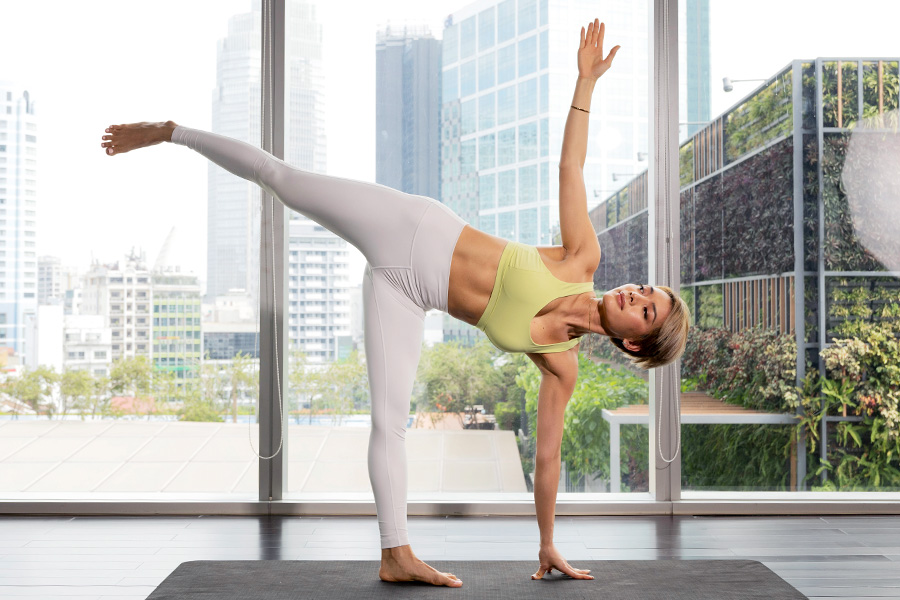
(Image Source: California Fitness and Yoga Club)
Cycling
If you are looking for a low-impact cross training exercise that provides a cardiovascular challenge similar to running, try cycling. This discipline essentially utilizes the same primary leg muscle groups as running but without causing the significant impact forces on the joints.
According to expert Koniuto, cycling and running rely on the strength and endurance of some similar muscle groups, including: the propulsive muscles of the arms and upper body, glutes, quads, hamstrings, and calves. The key difference is that cycling involves less ground reaction force and thus exerts much less impact on the lower extremity joints. This makes cycling an ideal tool for maintaining and improving cardiovascular fitness while the body needs recovery or a reduction in load.
All forms from road cycling to hill climbing or high-intensity interval training (HIIT) will provide clear benefits for runners. You can fully combine or choose based on your specific training goals, such as boosting endurance, developing strength, or maximally improving cardiovascular fitness. Cycling is the perfect solution for achieving high intensity without incurring the risk of repetitive impact injuries from running.

(Image source: Discover Ireland)
Pilates
Pilates is a form of gentle, low-impact strength training performed through a series of slow movements. This discipline primarily targets the deep abdominal muscles and many smaller stabilizing muscles along your back and pelvis. Over time, Pilates helps you develop a stronger core, which will improve posture. Furthermore, Pilates can help prevent injuries from the repetitive motions of running by strengthening the stabilizing muscles around crucial joints.
According to a 2018 study in PLOS One, runners who practiced Pilates twice a week for 12 weeks had faster 5K completion times compared to those who did not. Among the movements these runners performed were Pilates breathing techniques, core strength exercises, and mobility work like the hundred and the roll-up.

(Image source: Third Space)
Swimming
Swimming is a cross training modality that offers a dual benefit thanks to the buoyancy of water. Buoyancy allows you to achieve a powerful cardiovascular workout but with minimal impact on the joints. In addition to performing traditional strokes like the front crawl and butterfly, expert Koniuto suggests that runners can also perform running motions in the water, utilizing the water as resistance in all directions. The deeper the pool, the more of your body weight will be counteracted when running underwater, which makes the exercise feel easier while still ensuring the necessary training intensity. Swimming is the perfect solution for active recovery and bolstering cardiovascular fitness without stressing the legs.

(Image Source: Spa and Health Club)
Cross training frequency for runners
The optimal cross training frequency depends on your race distance and running volume, but the standard range is typically one to three times per week. For example, if you run three or four days per week, you could cross train on two separate, non consecutive days, incorporating both non-running cardio (like cycling or swimming) and strength work into your sessions.
Lighter exercises such as mobility work, Pilates, and Yoga are low-impact and can be flexibly performed as an active warm-up before a run or as a cool-down afterward.
If you are in the injury recovery phase, the choice of cross training must be carefully considered. Consult your doctor or physical therapist to see if swimming, cycling, or rowing are approved alternatives to running. These exercises help maintain fitness without stressing the injured area.
If you are unsure about the optimal training program and the most scientific way to integrate it, seeking support is necessary. A physical therapist, running coach, or personal trainer can help you customize your individual routine, ensuring you achieve peak performance safely and sustainably.