12/25/2025
SIMPLE RECOVERY SECRETS FROM PROFESSIONAL TRAIL RUNNERS
Discover the recovery methods that combine nutrition, sleep, and physical therapy, which professional trail runners like Sarah Ostaszewski, Hannah Allgood, and Grayson Murphy use after a long race.
Trail running is a demanding sport that continuously engages and requires complex coordination from multiple muscle groups, ranging from the legs and core to the upper body. This constant, multi-group muscle activation, especially during long-distance races, inevitably leads to micro-trauma and prolonged energy depletion.
Aside from a consistent nutrition plan and a healthy training schedule, a proper post-run recovery regimen is crucial. It not only helps runners mitigate the risks of chronic injury and competitive burnout but also significantly enhances running performance and provides substantial mental support.
Recognizing these profound impacts, many runners do not hesitate to invest heavily in recovery, from purchasing equipment such as massage guns and pneumatic compression boots to hiring professional massage therapists. Undeniably, these tools offer considerable benefits. However, not everyone possesses the financial means to afford such luxury investments.
So, if you don't have an expensive "recovery tech arsenal," how can you effectively bounce back after a long race? In this article, Vietnam MTB Series invites you to explore the incredibly simple recovery secrets of top professional trail runners, including Sarah Ostaszewski, Hannah Allgood, and Grayson Murphy, focusing on the optimal combination of nutrition, sleep, and fundamental physical therapy.
Sarah Ostaszewski: The Queen of the Cocodona Race
(Photo Credit: I Run Far)
Sarah Ostaszewski is an American trail runner who secured an outstanding fourth place overall and first place in the women's category at the 2023 Cocodona 250-mile (400-kilometer) ultra-marathon. With the valuable experience of completing this grueling, longest-distance course across Arizona, USA twice, she has offered insightful advice on her personal recovery strategy.
Ostaszewski admitted that, following the intense 2022 race, the absence of a structured recovery plan coupled with a premature return to high-intensity training led her to "hit the wall" and experience rapid burnout. Learning a profound lesson from that setback, she developed a more scientifically grounded recovery strategy for 2023, aiming to safeguard her long-term health and ensure the sustainable maintenance of her personal fitness.
Ostaszewski structured her recovery strategy around three core elements: sleep, nutrition, and maintaining stable habits. She intentionally steers away from complex tools or methods, believing that the most effective recovery stems from basic self-care.
Indeed, she dedicated nearly a full month to recovery after the race. In the initial days, she prioritized sleep and nutrition, ensuring complete physical rest. For the next two weeks, Ostaszewski began to reintroduce movement through low-impact activities like light hiking and gentle cycling. It was not until three weeks post-Cocodona that she formally resumed light running sessions before gradually increasing her pace and returning to her familiar training volume.
In terms of nutrition, ensuring adequate caloric intake remains her top priority. She emphasizes the importance of fueling sufficiently throughout all runs, especially those lasting more than an hour, as this directly impacts subsequent recovery capacity. Her focus is on protein enhancement, aiming for an intake of approximately 25–30 grams of protein per meal, repeated three to four times daily.
Beyond quality nutrition and sleep, she maintains two consistent habits: persistent strength training and regular physical therapy, viewing them as the foundational cornerstones that enable her body to withstand the stress of high-volume training. To address periodic muscle tightness, she visits a specialist for massage therapy once a month. In summary, Ostaszewski’s secret lies in simplicity, consistency, and a sharp focus on the body’s most fundamental needs.
These significant adjustments to her rest and recovery plan have yielded clear results. Consequently, the athlete performed more effectively compared to her first season.
Hannah Allgood: The Growth Mindset
Hannah Allgood, a professional athlete, physical therapist, and coach, operates under a simple yet profound formula: Stress + Rest = Growth. This concept is notably derived from the book Peak Performance by Brad Stulberg and Steve Magness.
Allgood has established a personal recovery strategy built upon three essential pillars: Sleep, Active Recovery, and Mental Health.

(Photo Credit: COROS)
She emphasizes that sleep is always the highest priority after any race. This is the stage where the body undergoes its deepest internal self-repair process, and it is the key moment for the training adaptation resulting to be consolidated and take effect.
Furthermore, her physical recovery protocol includes methods like stretching and using a foam roller, which allow her to deeply target and release tension in specific muscle groups, depending on the type of run she has just completed. Maintaining these consistent habits over time has yielded significant cumulative benefits.
On the mental front, Allgood places a strong focus on the ability to recover from setbacks. She admits that following her DNF (Did Not Finish) incident at the Long Trail at the World Mountain and Trail Running Championships, she had to confront and overcome a series of unavoidable negative emotions.
"I knew I made the right decision, but the feeling of letting the team down was painful and mentally exhausting. But I had to allow myself to be self-compassionate," Allgood stated. For most races, she practices answering the following three questions to help maintain a positive mental state:
- What did I do well?
- What did I not do well?
- What do I need to focus on for next time?
Answering these questions allows Allgood to acknowledge the achievements gained while simultaneously analyzing and drawing lessons for future sporting events.
Allgood also specifically notes the psychological tendency to immediately jump back into the training routine after a disappointing result. However, she stresses the critical importance of trusting the coach and the established plan, which must maintain a balance between training and rest. This is the crucial factor for injury prevention and ensuring the most comprehensive preparation for the next race.
Grayson Murphy: The Intuitive Athlete
Grayson Murphy, a prominent American athlete celebrated for her achievements in numerous prestigious running events, shares that she assesses her recovery status and capacity based on listening to her intuition and the signals from her body, rather than relying on complex technology or sophisticated recovery protocols.
Initially, Murphy often misinterpreted the feeling of not wanting to run as a sign of laziness. However, she came to realize that, in reality, this was the body’s way of sending a warning signal about an ongoing state of overload or stress.
Amy Frugé, owner of Converge Physical Therapy and a therapist for many elite mountain runners, explained this phenomenon figuratively: "Our bodies are like stress buckets."
“If our bucket is too full, an injury can occur. Our brain and nervous system command the body to slow down by all means necessary. That’s when we feel a flare-up of old chronic injuries or the onset of new ones. Rest and recovery are what empty those buckets.”
As a professional athlete, Murphy is no stranger to injuries, particularly in her hip and foot areas. She shared that even without external advice to stop running, she could sense her body's unfavorable condition. That critical self-awareness was the reason she chose to withdraw from the World Championships.
Fortunately, the necessary period of rest provided her with a deeper insight, enabling her to return to running with improved physical fitness. Clearly, Murphy’s impressive competitive performance since then is the most compelling evidence of this strategy's effectiveness. Moreover, having a coach like David Roche has played a critical supportive role in safeguarding her long-term health.
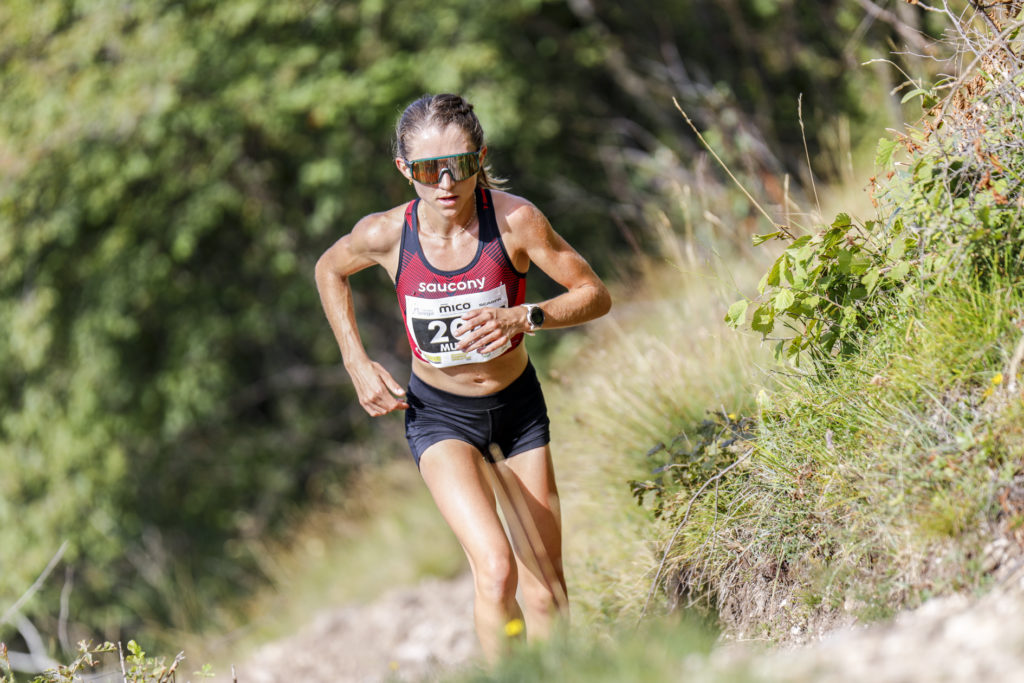
(Photo credit: American Trail Running Association)
The athletes mentioned above have all achieved great success in their careers not only through diligent training but also through respect for their bodies.
Today's recovery technologies like Normatec genuinely feel good and help runners recover quickly and effectively. However, not every runner has the budget for such equipment. Therefore, this should not become a factor that hinders a runner's recovery process, especially when a good night's sleep, a nutritious meal, a relaxed mind, and support from those around you are fundamental elements that provide excellent support to the runner. Listen to your body and find the most suitable method so that your body is completely ready for your next adventure.
(Reference: Trail Running Magazine)